Heart care through a mature lens
A patient’s age should influence all stages of cardiac intervention to produce positive, precise outcomes, panelists say.
On a wide range of cardiovascular health matters, speakers on Sunday provided some guidance for the ages.
Consider this: Between 2010 and 2020, the number of people aged 65 years or older increased 38.6% in the United States alone — from 40.3 million to 55.8 million, according to the U.S. Census Bureau. By 2040, 1 in 5 Americans will be 65-plus.
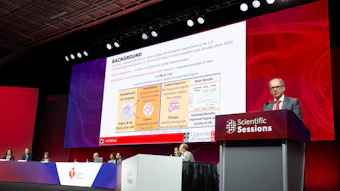
As this generational shift unfolds, experts are re-evaluating how health care can evolve so people can live both longe and better. At a Sunday session “Adding Years to Life and Life to Years,” panelists addressed changes in assessing and diagnosing cardiac patients, ways to incorporate more shared decision-making, and technical advancements to help treat and care for aging patients.
Heart failure help
In heart failure, as understanding has evolved and new options have arisen, the framework for managing patients has changed.
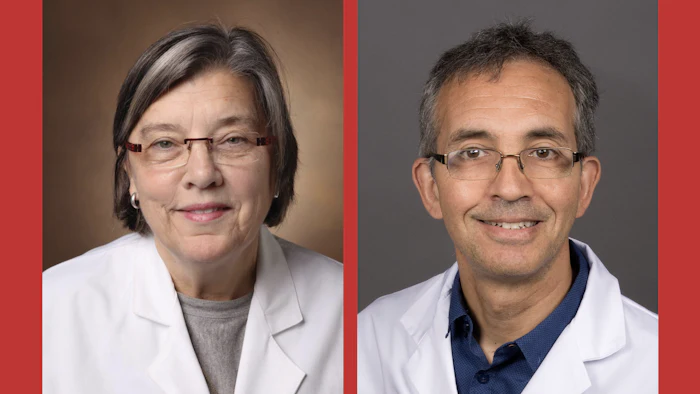
A person’s risk of heart failure increases exponentially with age, said JoAnn Lindenfeld, MD, in her presentation, “Paradigm Shifts in Lifetime Management of Advanced Heart Failure.” Risk factors such as obesity, diabetes, sedentary lifestyle, hypertension and coronary artery disease also become more common with age and raise the risk of heart failure. And resulting symptoms, including shortness of breath, inflammation and fatigue, may be mistaken for signs of aging.
“As these symptoms progress, quality of life progressively worsens,” said Lindenfeld, professor of medicine and medical director at Vanderbilt University Medical Center.
Heart failure can be classified as having reduced ejection fraction (HFrEF) or preserved ejection fraction (HFpEF), although the causes and symptoms of these frequently overlap, Lindenfeld said.
“Determining the diagnosis of the underlying cause has been improved with the advent of enhanced imaging techniques, genetic testing, etc.,” she said.
Therapies to manage heart failure have also evolved. For example, diuretics have become foundational in treatment, helping to promote kidney excretion, reduce swelling and regulate shortness of breath and fatigue. Medications prescribed for obesity can both stimulate weight loss and decrease its effects.
Pacemakers can “resynchronize” the heart and reduce risk of both sudden cardiac death and death from progressive heart failure in patients with HFrEF. Implantable cardiac defibrillators shock a heart experiencing a serious abnormal rhythm back to normal rhythm, reducing the risk of sudden cardiac death. And a catheter-based treatment for secondary mitral regurgitation may also be beneficial in certain cases of HFrEF and HFpEF, Lindenfeld said.
“Although mechanical circulatory support with a surgically implanted left ventricular assist device (LVAD) and cardiac transplantation are often used in younger patients, selected elderly patients may be considered for these therapies,” she added.
Additional modern technology and medications also are available now to decrease hospitalizations and improve outcomes, she said.
Gauging aortic stenosis
Aortic stenosis is more common with age and can lead to heart failure. Unfortunately, disease severity is frequently underestimated, causing patients to be undertreated and experience worse outcomes, said Philippe Pibarot, DVM, PhD, FAHA.
Pibarot, who is head of cardiology research at the Quebec Heart and Lung Institute, said up to 15% of elderly people with severe aortic stenosis have coexisting cardiac amyloidosis, which typically turns into paradoxical low-flow, low-gradient aortic stenosis — the HFpEF form of aortic stenosis. Many patients attribute their symptoms to normal aging and therefore don’t report them to their health care team.
In his presentation, “The Answer Is in the Images: Advanced Cardiac Diagnostics at All Ages,” Pibarot discussed the hallmarks of aortic stenosis and its similarities and differences across populations. He said it is critical to perform multimodality imaging, starting with echocardiography, on older patients with aortic stenosis to accurately assess disease severity. CT valve calcium scoring to confirm aortic stenosis severity and bone scintigraphy to screen for ATTR amyloidosis may also help depict the full extent of the disease.
“Medical history and symptoms should be carefully assessed in these patients and prompt intervention, preferably transcatheter aortic valve implantation in elderly patients, should be considered in the presence of symptomatic severe aortic stenosis,” Pibarot said.
The afternoon session also included the following panelists and clinical presentations:
- Karen P. Alexander, MD, “How Do Age, Resilience and Frailty Change Cardiovascular Care Choices?”
- Joanna Chikwe, MD, FAHA, “Advances in Lifetime Management of Mitral and Tricuspid Valve Disease”
- Abdulla A. Damluji, MD, PhD, “Consensus and Controversies in Lifetime Management of Coronary Disease”
- Isaac George, MD, “Evidence and Innovation in Lifetime Management of Aortic Valve Disease”
- Samir R. Kapadia, MD, “Randomized Versus Real-World Data: Can Trials Inform Care Across All Ages?”