Lessons from landmark trials

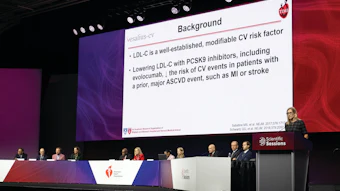
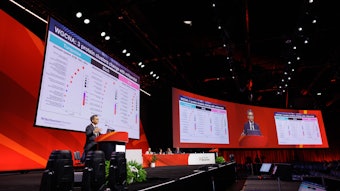
Trial results presented in Saturday’s Late-Breaking Science session revealed surprising findings on novel approaches to reduce cardiovascular disease risk. The results found:
- Novel IL-6 inhibitor did not reduce adverse cardiovascular outcomes in patients with CKD, ASCVD and cardiovascular inflammation.
- Novel lipoprotein(a) therapy did not reduce major adverse cardiovascular events (MACE) risk.
- Extended analysis of lipoprotein(a) HORIZON trial showed consistent results with prespecified primary analysis.
Ziltivekimab did not reduce cardiovascular event rates in patients with CKD
Inflammation remains an important contributor to heart disease and stroke and a target for intervention. Large-scale trials have demonstrated that targeting inflammation by inhibiting interleukin 1 (IL-1) or with colchicine can significantly reduce cardiovascular event rates in select individuals with cardiovascular disease. In the Primary Report of the Ziltivekimab Cardiovascular Outcomes Study, the ZEUS trial, researchers sought to find out if ziltivekimab, a monoclonal antibody targeting interleukin-6 (IL-6), reduced cardiovascular events in patients with chronic kidney disease (CKD), atherosclerotic cardiovascular disease (ASCVD) and cardiovascular inflammation, defined by high-sensitivity C-reactive protein (CRP).
The study, spanning 757 sites in 38 countries, randomized 6,395 participants with known atherosclerotic cardiovascular disease, chronic kidney disease and residual inflammatory risk defined as elevated high sensitivity C-reactive protein (hsCRP > 2 mg/L) to the IL-6 inhibitor ziltivekimab, 15 mg given subcutaneously monthly versus placebo. Mean patient age was 69.4, and approximately 28% were women.
The placebo-adjusted percent change from baseline at 24 months with ziltivekimab was -76% for free IL-6 and -64% for hsCRP. Yet, during a median follow-up of 33 months, the primary composite cardiovascular endpoint of nonfatal myocardial infarction (MI), nonfatal stroke or cardiovascular death occurred in 561 participants (17.6%) in the ziltivekimab group and 565 (17.7%) in the placebo group (HR=0.99; 95% CI, 0.88 to 1.11; p=0.84).
 Paul Ridker, MD, MPH
Although ziltivekimab did not improve cardiovascular outcomes or reduce overall mortality, Ridker noted that cardiovascular inflammation is highly prevalent and remains a mechanistically compelling therapeutic target beyond lipid lowering.
“Individuals with elevated hsCRP need strong recommendations for preventive care,” Ridker said, emphasizing that in addition to diet, exercise and smoking cessation, all of which lower hsCRP, statins, colchicine, canakinumab and GLP-1RAs positively impact patients with residual inflammatory risk.
Meanwhile, several promising opportunities for downstream IL-6 inhibition remain in earlier modifiable disease as well as multiple opportunities for direct targeting of the upstream NLRP3 inflammasome. “It’s an exciting time for inflammation and heart disease,” he said. The study was published in the New England Journal of Medicine following the presentation.
Novel antisense oligonucleotide did not reduce risk of major cardiovascular events in secondary prevention
Lp(a) is a genetically determined risk factor for atherosclerotic cardiovascular disease and aortic stenosis with no approved pharmacological treatments. Could pelacarsen, an antisense oligonucleotide (ASO) designed to degrade hepatic messenger RNA (mRNA) coding for apolipoprotein(a), reduce the risk of major adverse cardiovascular events in patients with high Lp(a) and established cardiovascular disease? That was the question asked in Pelacarsen and Cardiovascular Outcomes in Patients With High Lipoprotein(a).
The double-blind, placebo-controlled phase 3 cardiovascular outcome trial randomized 8,322 patients with lipoprotein(a) ≥ 70 mg/dL (~148 nmol/L) at screening, stratified based on values
≥ 90 mg/dL (~192 nmol/L) with cardiovascular events three months to 10 years prior to enrollment. Patients were randomized 1:1 to pelascarsen 80 mg or placebo, self-administered subcutaneously once a month at home at 797 sites in 42 countries from December 2019 to July 2022. Risk factor optimization with guideline-directed therapies was required, including lipid-lowering and antihypertensive therapies during a 30- to 90-day period to strictly meet guidelines for secondary prevention.
Patients were followed for a median follow-up duration of 4.7 years. The trial was event-driven until 993 primary endpoints accrued. The primary endpoint was a composite of four MACE, including cardiovascular death, nonfatal stroke, nonfatal MI and urgent coronary revascularization.
After 12 months of treatment, pelacarsen reduced median Lp(a) levels by 77.7%, from 236 nmol/L to 64 nmol/L but did not meet its primary endpoint of reducing the risk of major cardiovascular events, compared to placebo. The HR for the primary endpoint was 1.02 in the full population and 1.00 for patients with an Lp(a) ≥ 90 mg/dL.
 Steven E. Nissen, MD, MACC
Extended analysis of antisense oligonucleotide consistent with primary outcome
To further explore the cardiovascular effects of pelacarsen, a subgroup extended analysis of the Lp(a) HORIZON trial was performed to complement the prespecified primary analysis. Results were broadly consistent with the primary intention-to-treat analysis, according to Extended Analyses of Pelacarsen and Cardiovascular Outcomes in Patients with High Lipoprotein(a).
On-treatment and uninterrupted-treatment analyses evaluated the primary endpoint and secondary endpoints, including three-component MACE excluding revascularization and three-component MACE defined using coronary heart disease death rather than cardiovascular death.
The on-treatment analysis included events occurring while patients were receiving the study drug and up to 112 days after treatment discontinuation. The uninterrupted-treatment analysis included patients who completed the trial without a treatment interruption exceeding 60 days. A separate analysis evaluated four-component MACE that assessed total events, including first and recurrent events.
Landmark analyses assessed outcomes according to Lp(a) reductions and achieved Lp(a) levels after three months of treatment. Subgroup analyses were stratified by baseline characteristics, including Lp(a), LDL-C, hsCRP and time from qualifying events, using the median as the cutoff for each characteristic.
On-treatment and uninterrupted treatment analyses showed similar results to the intention-to-treat analysis (HR 0.98 to 1.09). Analyses that included both first and subsequent events were also consistent with the primary MACE-4 outcomes (HR 1.00). Landmark analysis based on magnitude of three-month lipoprotein(a) reductions and achieved levels showed no heterogeneity of effects (HR 1.03 and 1.10).
“When we look at a variety of alternative analyses, we don’t see any group that showed evidence of pelacarsen benefit,” Nissen said. The secondary analysis was published in New England Journal of Medicine Evidence following the presentation.